Stockroom6 min read
Storing a niche fragrance wall: light, heat and rotation
Fragrance doesn’t spoil like food, but it does fade. A short guide to the three things that wear a bottle out on the shelf.
By the Buddha Beauty & More trade desk ·
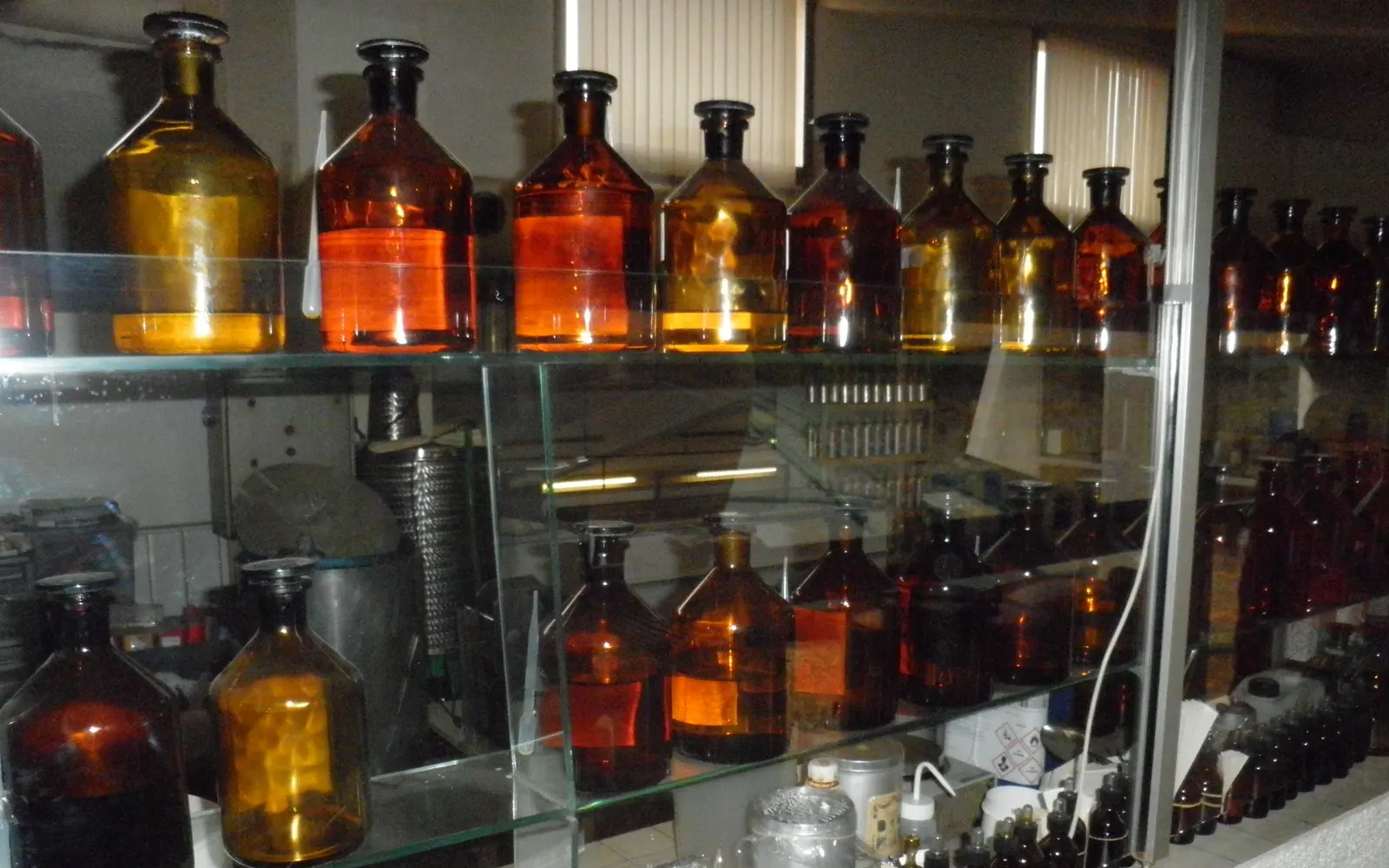
Perfume doesn’t spoil the way food does. There’s no sell-by date on the carton, and a well-kept bottle can sit in a stockroom for a long time and still smell the way the perfumer meant it to. What it does is fade — and the causes are the same on a salon shelf in Ohio as in a Paris flagship: light, heat and air. All three add up, and all three are things a store controls.
The three things that wear a bottle out
Light
Direct sun is the obvious one. Sunlight breaks down fragrance materials — Memo Paris says as much in its care guide — and clear glass does little to stop it. Less obvious is the display light running ten hours a day over the same top shelf. Halogen spots also put real heat on the bottles under them; LED fixtures run cooler.
Heat, and heat that moves
Warmth speeds up the slow chemistry that ages a formula, and the houses warn about swings as much as about heat. Diptyque’s customer care puts it plainly: keep perfume away from direct light and temperature changes, cap closed, somewhere cool and dry. In a store the culprits are the shelf above a radiator, the corner by the water heater, the vent blowing across the top row and the stockroom nobody cools on weekends. Outside it’s the car — a carton left on the back seat over lunch in July gets hotter than anything it will see on your shelf. And alcohol-based perfume is a Class 3 flammable liquid on paper (UN1266), one more reason to keep cases away from heaters; see shipping perfume by ground.
Air
Oxygen starts working once a bottle is in use. A sealed unit is shut off from fresh air; a tester is not, and every spray leaves a little more air above a little less liquid. Loose caps, sprayers left uncapped overnight and decanting into vials all speed this along. Cap testers when the store closes, and use the house’s tester rather than opening a retail unit.
Cool, dark, dry and steady
The houses agree on the basics. Memo Paris tells customers to keep bottles somewhere dark, away from windows, radiators and vents and off the bathroom counter, and notes that the original box is there to protect the fragrance. Initio — not a house we carry, but its help center is unusually specific — puts the ideal at room temperature, 25 °C (about 77 °F), away from light and humidity. Treat that as a ceiling, not a target.
- Keep units in their outer cartons until they go on the wall. The carton is the cheapest light-blocker you own.
- Keep fragrance out of restrooms and away from sinks. Steam brings humidity and swings, and damp cartons stain.
- Skip the refrigerator. Moving bottles between a cold box and a warm sales floor is exactly the swing the houses warn about.
- Let a cold delivery warm up before you open it, so condensation doesn’t form on glass and labels.
The wall: what goes out and what stays boxed
- Face one unit, keep the rest boxed. One sealed bottle out of its carton shows the shape; backstock stays in cartons below or in the back.
- Rotate the faced unit. Sell it first, or swap it on a set schedule, so no single bottle spends a season under the spots.
- Keep testers and sealed units apart. A tester is opened and handled — it will age faster. Ours are for in-store sampling only, listed on a separate invoice line and never resold.
- Don’t line a sunny window. Light and heat together, every afternoon. Use empty cartons there, or display dummies if the house supplies them.
Rotation: first in, first out
With no expiry date to sort by, rotation runs on the date received. Shelve new cartons behind the old and sell the oldest lot first. That only works with a receiving log — date, house, item and size, batch code, quantity, invoice number — filled in when the carton comes in. Our packing slips print the lot code of every unit, so the log copies straight from the slip. Batch codes aren’t a standard date format, so the log is your record of age; see reading a batch code.
A monthly stockroom check
| Check | What good looks like |
|---|---|
| Temperature | Steady, no warmer than about 77 °F. No heater or vent by the shelves. |
| Light | No daylight on stock. Cartons closed. |
| Humidity | Nothing in restrooms or by sinks. Cases off the floor. |
| Wall | Faced units swapped on schedule. Nothing in a sunny window. |
| Testers | Capped overnight, dated when opened, apart from sealed stock. |
| Log | Every lot received has its batch code and date recorded. |
How to tell a bottle has turned
Memo Paris suggests checking periodically for changes in color, consistency or smell. Start with the opening: a citrus or other bright top note that smells thin, flat or sharp next to a fresh tester is worth a second look. Go easy on color alone — vanillin, the main aroma compound in vanilla, darkens as it oxidizes, so vanilla-heavy juice can deepen in the bottle over time. Every formula ages differently, so the fair test is a blotter from the suspect bottle beside one from a fresh tester.
There’s no fixed shelf life to check against. US law doesn’t require cosmetics to carry expiration dates; the FDA leaves shelf life to each manufacturer. Initio, for one, calls its figure an optimal date of use, not an expiry, and ties it to correct storage — how a bottle is kept matters as much as how old it is.
Candles and home fragrance
Sun discolors candle wax and heat softens it. Diptyque’s candle care page asks for a dry spot between 59 °F and 77 °F, out of direct sunlight. Keep them lidded and upright, nothing heavy stacked on top. Room sprays follow the perfume rules: dark, steady, capped.
How we store it before it reaches you
All of the above applies to us first. Stock in Elizabethtown is held climate-controlled, below 75 °F, with no daylight, and every unit stays in its outer carton until it ships — we don’t sell decoded, relabeled or unboxed stock. Orders leave by UPS Ground, to the lower 48 states and DC only, in divided cartons, and most reach the Midwest, Southeast and much of the East Coast in 1–3 business days. If a carton arrives damaged, email photos of the carton and the bottle to info@buddha-beauty.org within 72 hours of delivery; confirmed breakage is credited or replaced.
Setting up a wall or filling gaps in one: request the pricelist — we reply within four business hours — or open a trade account.
MoreFrom the journal2 notes
Keep reading.
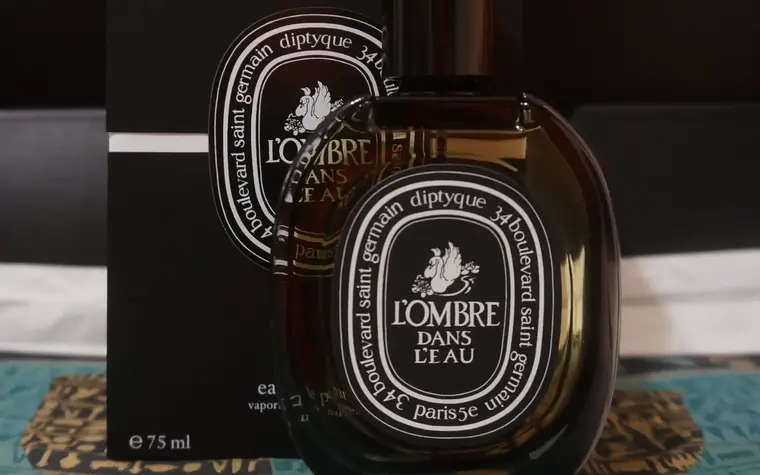
Reading a batch code before you shelve a bottle
The batch code ties a bottle to the line that filled it. A scratched-off code is the first thing to look for — and the last thing to accept.
Read the note →
Shipping perfume by ground: what UN1266 means for your stockroom
Every bottle on your wall is a flammable liquid on paper. Here is what that changes about receiving, returns and reshipping.
Read the note →