Receiving5 min read
Reading a batch code before you shelve a bottle
The batch code ties a bottle to the line that filled it. A scratched-off code is the first thing to look for — and the last thing to accept.
By the Buddha Beauty & More trade desk ·
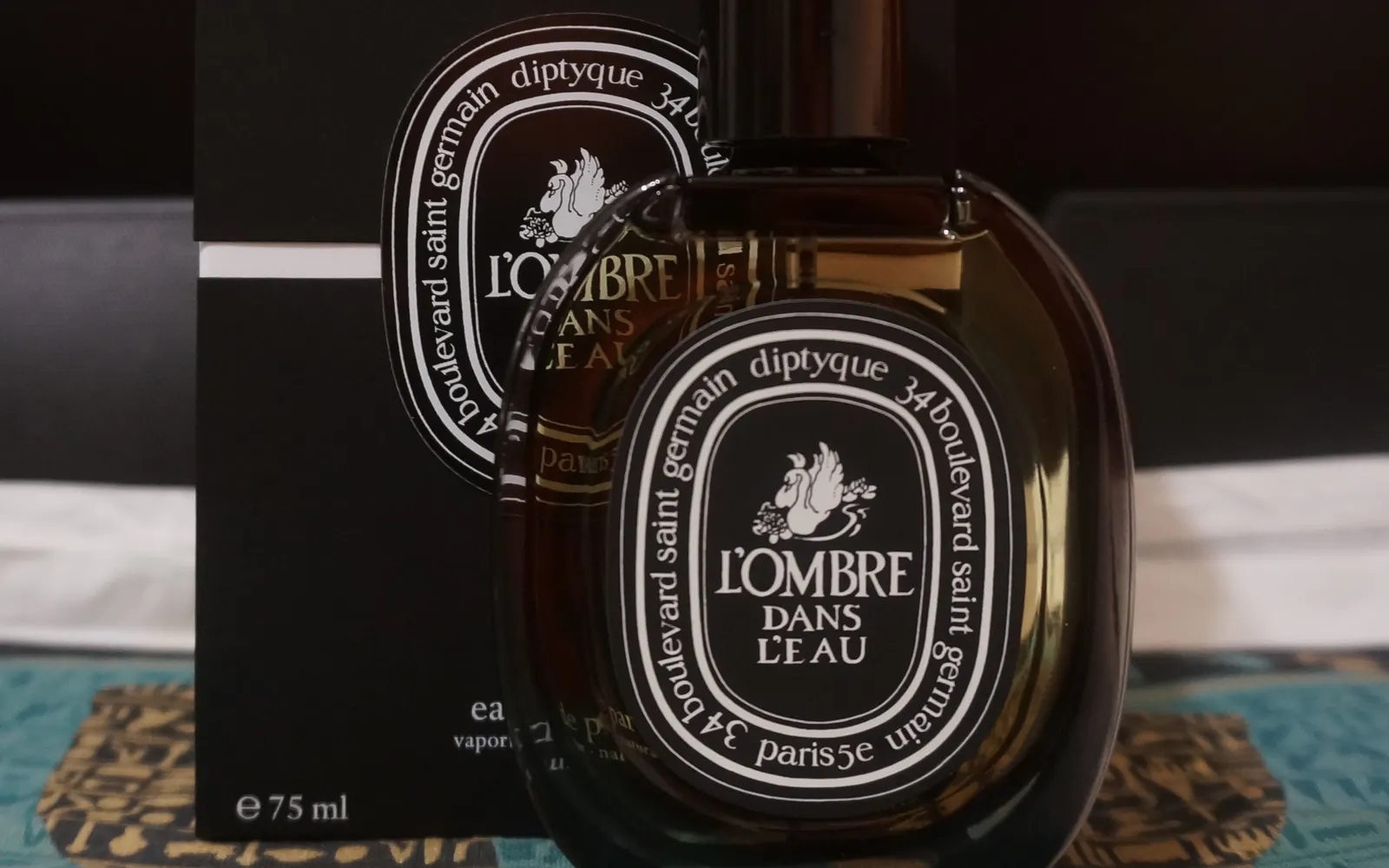
Nearly every sealed bottle from an established house carries a short string of letters and numbers most shoppers never notice: the batch code, also called the lot code. It ties that bottle to one production run — a date, a filling line, a batch of juice. It takes seconds to read at receiving, and it shows whether a unit can still be traced back to the house that made it.
What a batch code records
A batch code is the manufacturer’s internal reference. It may stand for the production date, the line and the batch of concentrate; the house keeps the key. When something goes wrong — a bad batch, a faulty pump, counterfeits turning up in one region — it can name the affected lots instead of pulling a fragrance off every shelf in the country. Some houses also track which distributor received which lots, so a code that turns up in the wrong channel points back to the leak.
Where to find it
On the carton
Turn the box over. Many houses print or emboss the code on the bottom flap; some use a side panel near the barcode. Embossed codes are colorless dents in the board — tilt the carton under a light to read them.
On the bottle
Check the base of the glass, where the code is often printed or etched, and the label on the underside.
When the code is on the box only
Minis and sample vials may carry the code on the outer pack only, and that is allowed. The EU Cosmetics Regulation (EC) No 1223/2009, Article 19(1)(e), requires the batch number on both the container and the packaging, but lets it appear on the packaging alone when the product is too small to carry it. Nineteen of the twenty houses we carry are based in the EU or the UK, and the UK’s own version of the regulation keeps the same wording.
Formats vary — there’s no master decoder
Each house sets its own format. Some lead with a year digit, some with a plant letter, and two houses can use the same string to mean different things. Online “batch code checkers” decode the formats they know, and where a house’s pattern is well documented they can give a rough production date. But a checker reads the pattern, not the bottle: a counterfeit carrying a copied code decodes just as cleanly as the real thing. Only the house can confirm a code.
The receiving check
Do it before units reach the stockroom. The carton checks apply to every unit — codes and seals read straight through the film. The glass sits sealed inside, so check it on testers, returns and any unit that has already been opened; breaking the film on sellable stock just to look defeats the point.
- Code on the carton. Present, legible, not cut out, scraped off or blacked over.
- Seal intact. Tight overwrap with clean factory folds, or an unbroken seal sticker where that’s what the house uses. Loose or re-shrunk film means the box has been opened.
- No removal marks. Scraped or cut board, a torn-away flap, a solvent-dulled patch where print should be — each is a common sign that somebody took a code off.
- No stickers over codes. A US distributor’s or importer’s sticker on a side panel is normal. A sticker or price tag sitting exactly where the code should be is not.
- Code on the glass — testers and opened units. Present on the base or the bottom label, with no ground or frosted patch where it should be.
- Glass matches box. For many houses, the two codes are identical. Where a house prints different references on box and glass, compare with another unit of the same SKU — the pattern should be consistent.
Why decoded stock is a red flag
Nobody removes a code to make a bottle smell better. Codes come off when someone wants to hide which distributor a unit was first sold to — the usual mark of gray-market goods diverted out of the channel the house set up. The juice may be genuine, but you can’t prove it or trace it. That bites in a recall: if a house withdraws a lot, a decoded unit can’t be checked against the notice, so you either pull every unit of that SKU or keep selling blind.
Code removal can also be a trademark problem. In Zino Davidoff SA v. CVS Corp., 571 F.3d 238 (2d Cir. 2009), the production codes had been removed from 16,600 Davidoff items in CVS’s inventory — boxes and labels cut, bottle bottoms ground down, codes wiped off with chemicals. The district court barred CVS by preliminary injunction from selling Davidoff goods with the codes removed, and the Second Circuit affirmed. It accepted that the codes served a legitimate quality-control purpose, including keeping recalls small and targeted, and found that packaging damaged to remove them made the goods materially different. CVS hadn’t removed the codes itself — it was the retailer selling the goods — which is worth remembering before you take a deal on decoded units.
MoCRA adds a second line to read
Under the Modernization of Cosmetics Regulation Act, each cosmetic product must bear a label with a domestic address, domestic phone number or electronic contact through which the responsible person — the manufacturer, packer or distributor named on the label — can receive adverse event reports (21 U.S.C. § 364e(a), in effect since December 29, 2024). The responsible person must report serious adverse events to FDA within 15 business days of receiving them (21 U.S.C. § 364a). The contact line gets a customer’s reaction to the right company; the batch code is what lets that company tie it to a lot. A unit with no code, or a pack made for another market without the contact line, breaks that chain.
Log codes when you receive
A spreadsheet is enough: SKU, the carton code, the lot on the supplier’s packing slip if it prints one, the date received and the supplier. An example, with made-up SKUs and codes:
| SKU | Carton code | Slip lot | Received | Supplier |
|---|---|---|---|---|
| 10482 | 5B07 | 5B07 | 09/14/26 | Vendor A |
| 10517 | L2611 | L2611 | 09/14/26 | Vendor A |
| 10533 | none | not printed | 09/21/26 | Vendor B |
The third row is the one to act on: a carton with no code goes on hold until the supplier explains it. When a recall notice lands, you search one column instead of the stockroom.
How we handle it
Batch codes stay on every unit we ship, and every unit’s lot code is printed on the packing slip, so the slip column of your log fills itself and can be checked against the cartons. We don’t sell decoded, relabeled or unboxed stock. We’re an independent distributor, not affiliated with or endorsed by the houses we carry — which makes the paper trail matter more, not less. To ask about a lot, email info@buddha-beauty.org with the SKU and the code, and we’ll tell you which supplier it came from and the week it arrived. The trade desk works Mon–Fri, 9:00 AM–5:00 PM ET.
If you’re setting up or restocking a niche wall, request the pricelist — we reply within four business hours — or open a trade account; approval comes within two business days.
MoreFrom the journal2 notes
Keep reading.
Storing a niche fragrance wall: light, heat and rotation
Fragrance doesn’t spoil like food, but it does fade. A short guide to the three things that wear a bottle out on the shelf.
Read the note →
Shipping perfume by ground: what UN1266 means for your stockroom
Every bottle on your wall is a flammable liquid on paper. Here is what that changes about receiving, returns and reshipping.
Read the note →